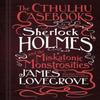
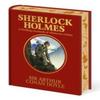
Arthur Conan Doyle was a GP before he became a writer He uses his medical knowledge widely in the Sherlock Holmes stories He bases the deductive skills of his hero detective on the diagnostic techniques a GP uses with a patient He even gives Sherlock a GP sidekick This all contributes to the enduring popularity of the Sherlock Holmes stories over 130 years after the first story was publishedampnbspAn amazing 52 diseases feature in the Sherlock Holmes stories This includes many that remain significant parts of a GPs workload today diabetes asthma ischaemic heart disease stroke There are then other diseases that have largely died out in the UK due to advances in medical science diphtheria brain fever rickets tetanusampnbspThe Medical Casebook of Sherlock Holmes and Dr John Watson takes a definitive look at how Conan Doyle uses these 52 diseases in the stories It also gives a historical perspective on the Victorian understanding of the diseases using the textbooks Conan Doyle would very likely have had sitting on his consulting room shelves