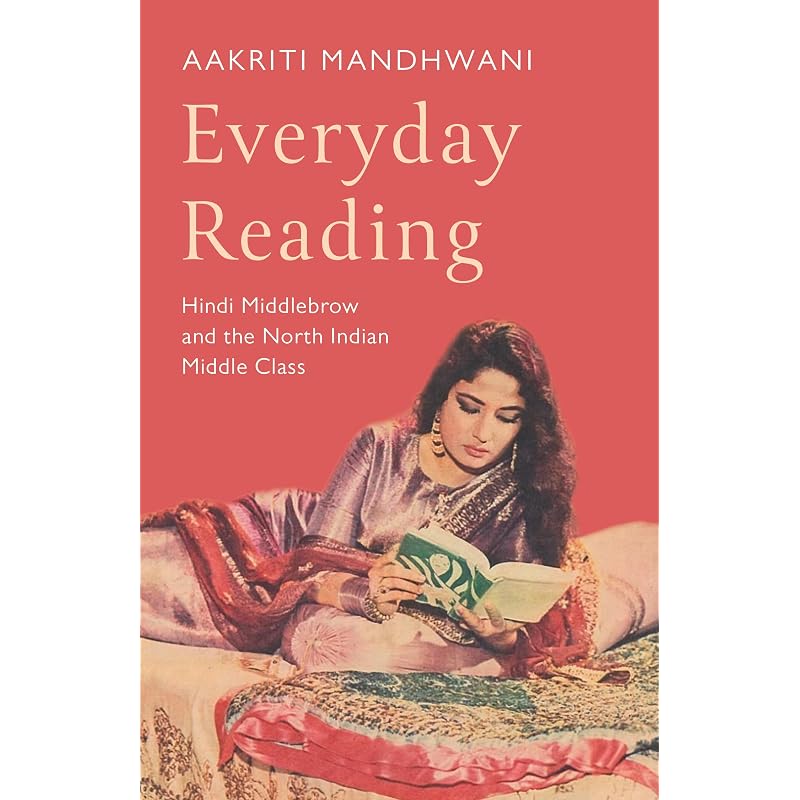
Everyday Reading: Hindi Middlebrow and The North Indian Middle Class
מחיר נוכחי
מחיר 23.30 ₪
משלוח חינם לישראל
10-25 בדצמבר
תשלום מאובטח והגנת נתונים
החזר על אי אספקה
אחריות על איכות
לוגיסטיקה בטוחה
הגנת פרטיות
תיאור
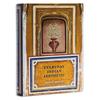
During the two difficult decades immediately following Independence, a new, commercially successful print culture in Hindi emerged that articulated alternatives to dominant national narratives. Through what Aakriti Mandhwani defines as middlebrow magazineslike Delhi Presss Saritaand the first paperbacks in Hindi Hind Pocket Books North Indian middle classes cultivated new reading practices that allowed them to reimagine what it meant to be a citizen. Rather than focusing on individual sacrifices and contributions to national growth, this new print culture promoted personal pleasure and other narratives that enabled readers to carve roles outside of official prescriptions of nationalism, austerity and religion.But the story is as much about the publishers as the readerships. Saritas challenge to institutional Hindi could not have happened without the multilingual editorpublisher Vishwa Nath of the Delhi Press, a veritable magazine activist, as the author puts it. The paperback revolution of Hind Pocket Books, with its unprecedented print runs, is a legacy of Dina Nath Malhotra. And the phenomenal reach of Dharmyug, leading even that of celebrated Englishlanguage publications of the Times Group, owed much to writer Dharmvir Bhartis move from Allahabad to Bombay.Utilizing a wealth of previously unexamined publications, Everyday Reading pays careful attention not only to key aspects of production in commercial Hindi publishing but ordinary reading practices as wellparticularly those of women. Insightful and entertaining, it is a significant addition to scholarship on print culture in independent India.